Duet Night Abyss — Sci-Fi RPG Review with Dual Combat System
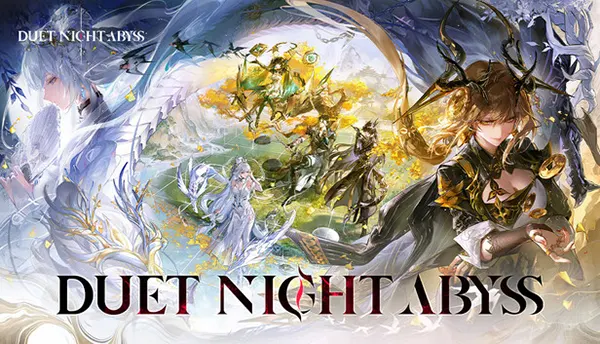
Duet Night Abyss is an upcoming sci-fi role-playing game that has attracted attention thanks to its unusual combat design and strong visual identity. Developed with a focus on mobility, weapon variety and character synergy, the game blends elements of action RPGs with fast-paced shooter mechanics. This review covers the core systems, gameplay structure and technical direction based on available information as of 2026.
Core Gameplay Mechanics and Combat Design
At the centre of Duet Night Abyss lies its dual combat system, which allows players to seamlessly switch between melee and ranged combat styles. Unlike traditional RPGs that lock players into predefined roles, this system encourages adaptability during battles. Characters can wield both firearms and melee weapons, creating fluid transitions between close and long-range engagements.
The combat flow is built around momentum. Movement mechanics such as dashing, aerial manoeuvres and grappling hooks play a critical role in positioning. Players are not expected to remain stationary; instead, encounters are designed to reward constant movement and spatial awareness. This approach aligns more with modern action shooters than classic RPG combat loops.
Enemy design also reflects this philosophy. Opponents often have layered attack patterns and require players to react dynamically rather than rely on repetitive strategies. This adds depth without making the game inaccessible, as core mechanics remain intuitive once mastered.
How the Dual System Changes Player Strategy
The ability to switch combat styles mid-fight introduces a strategic layer that is rarely seen in similar titles. Players can open an encounter with ranged attacks to weaken enemies, then transition into melee for burst damage or crowd control. This flexibility reduces reliance on specific builds and supports varied playstyles.
Character progression is closely tied to this system. Skills and upgrades enhance both combat modes rather than specialising in just one. As a result, players are encouraged to experiment instead of committing to a single approach early in the game.
In cooperative scenarios, the dual system becomes even more relevant. Teams can coordinate roles dynamically, with players shifting responsibilities depending on the situation rather than following rigid class structures.
World Design, Setting and Narrative Direction
The game takes place in a futuristic world that blends advanced technology with dystopian elements. Environments range from industrial complexes to vast open landscapes, each designed with vertical exploration in mind. This supports the movement-heavy gameplay and ensures that traversal remains engaging.
Storytelling in Duet Night Abyss focuses on character interactions and world-building rather than linear exposition. The narrative is delivered through missions, environmental details and dialogue, allowing players to piece together the broader context at their own pace.
The tone leans towards a mix of mystery and conflict, with factions competing for control over resources and technology. This creates a setting where player actions feel connected to a larger ecosystem rather than isolated missions.
Exploration and Environmental Interaction
Exploration is designed to complement combat rather than exist as a separate system. Players can use traversal tools not only for movement but also during battles, making environments part of the gameplay loop.
Interactive elements such as destructible objects, hidden pathways and vertical shortcuts add variety to exploration. These features encourage players to revisit locations and approach them differently based on their current abilities.
The world structure appears to balance open areas with more focused mission zones, preventing the pacing issues often associated with fully open-world games while still offering freedom.
Technical Features and Visual Direction
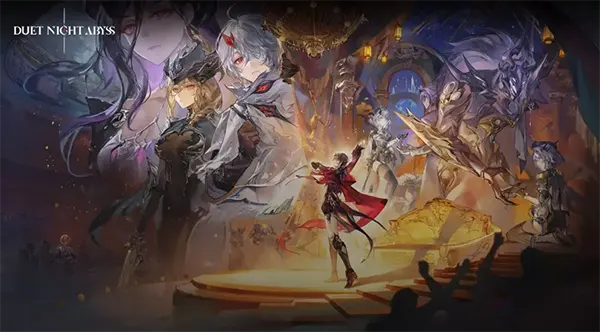
Duet Night Abyss stands out visually due to its stylised sci-fi aesthetic combined with detailed character design. The art direction avoids hyper-realism, instead focusing on clarity and readability during fast-paced combat scenarios.
Animation quality plays a key role in delivering responsive gameplay. Transitions between actions such as shooting, dodging and melee attacks are smooth, which is essential for maintaining the rhythm of the dual combat system.
From a technical perspective, the game is being developed with modern hardware in mind, supporting high frame rates and advanced graphical effects. This ensures that performance does not compromise gameplay responsiveness, which is critical for an action-heavy RPG.
Performance Expectations and Platform Support
As of 2026, the game is expected to launch on PC and possibly consoles, with optimisation being a major focus. Early showcases suggest stable performance even during complex combat sequences involving multiple enemies and effects.
Control customisation is another important aspect. Players are likely to have flexibility in configuring inputs, which is essential given the combination of shooter and melee mechanics.
Ongoing updates and live support are anticipated, with developers aiming to expand content through new characters, missions and gameplay adjustments based on community feedback.