
Space Tteokbokki Tycoon: How Korean Culture Shapes Mobile Management Games
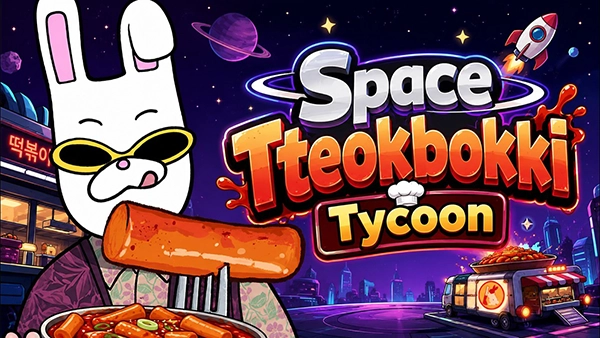
The intersection of Korean street food culture and mobile management simulation games has introduced a fresh wave of engaging digital entertainment. Titles inspired by traditional culinary arts capture the fast-paced energy of local markets, blending strategic resource allocation with vibrant aesthetic storytelling.
The Cultural Roots of Street Food Simulation
Traditional Korean cuisine offers a rich palette of flavors, textures, and visual elements that translate remarkably well into interactive digital formats. Street food stalls, known locally as pocha, provide a lively atmosphere defined by sizzling grills, steam, and vibrant red chili sauces. Game developers harness these authentic sensory details to establish an immersive environment that resonates with players globally, bridging cultural appreciation with interactive gameplay mechanics.
Integrating iconic dishes such as spicy rice cakes into a simulation framework requires balancing authenticity with accessible game design. Players manage ingredient supply chains, monitor cooking timers, and satisfy diverse virtual customer preferences. This dynamic replicates the genuine pressures of running a bustling culinary business, ensuring that the mechanics remain grounded in real-world culinary practices rather than abstract puzzles.
The economic models within these management titles reflect genuine small-business operations found in urban centers like Seoul. Participants must budget for ingredient acquisition, upgrade kitchen equipment to handle peak hours, and reinvest earnings into marketing strategies. Such depth transforms a simple tap-based mechanic into a thoughtful strategy session, rewarding long-term planning and operational efficiency.
Adapting Culinary Traditions for Global Audiences
Translating localized culinary practices into universally appealing mobile experiences involves careful localization and user interface design. Developers streamline complex recipes into intuitive touch controls while preserving the distinct cultural identity of the dishes. This delicate balance ensures that international users can appreciate the heritage behind the food while enjoying smooth, modern gameplay loops.
Visual presentation plays a critical role in bridging cultural gaps, utilizing bright color palettes, stylized character animations, and mouth-watering asset design. These artistic choices evoke the warmth and energy of Korean night markets without overwhelming the player. Consequently, the aesthetic appeal acts as a welcoming gateway for audiences unfamiliar with the underlying culinary traditions.
Community feedback loops and seasonal updates keep these digital spaces relevant and engaging over extended periods. Introducing limited-time recipes inspired by regional festivals or historical anniversaries maintains player interest and reflects current trends in mobile gaming. This ongoing adaptation demonstrates how traditional elements can thrive within a fast-evolving digital marketplace.
Strategic Resource Management in Fast-Paced Environments
Effective resource allocation forms the backbone of successful management simulations, challenging participants to optimize every second of gameplay. In a typical session, players juggle multiple tasks simultaneously, from prepping ingredients to serving impatient patrons before their satisfaction meters deplete. This constant balancing act sharpens multitasking abilities and strategic foresight under pressure.
Progression systems are meticulously structured to reward steady improvement and intelligent reinvestment. As virtual storefronts expand, users unlock advanced kitchen appliances, hire specialized staff, and customize their stalls to attract higher-tier clientele. Each milestone introduces new operational complexities, preventing the core loop from becoming monotonous over extended play sessions.
Data analytics and performance tracking allow players to evaluate their efficiency metrics, identifying bottlenecks in service speed or ingredient waste. By examining customer wait times and revenue generation graphs, participants can adjust their layouts and workflows. This analytical layer adds professional depth to an otherwise casual entertainment format.
Balancing Casual Accessibility and Hardcore Strategy
Modern mobile management titles successfully cater to a broad demographic by offering tiered difficulty levels and flexible pacing. Casual participants can enjoy relaxed session lengths during commutes, focusing on aesthetic customization and gentle progression. Meanwhile, dedicated strategists can pursue high-score optimization and flawless service ratings during peak operational hours.
Monetization structures in these ecosystems are designed to enhance convenience rather than create artificial paywalls. Optional upgrades, cosmetic customization items, and time-saving boosters allow users to tailor their experience according to personal preference. This consumer-friendly approach fosters long-term trust and loyalty within the active player community.
Tutorial integration and onboarding design ensure that newcomers grasp intricate economic principles without feeling overwhelmed. Step-by-step guidance introduces core concepts naturally through narrative-driven milestones, making complex management systems approachable for players of varying experience levels. Educational value thus accompanies entertainment, creating a well-rounded digital product.

The Evolution of Narrative Integration in Tycoon Games
Modern management simulations increasingly rely on compelling character-driven narratives to elevate the gameplay experience beyond mechanical repetition. Players do not merely manage a stall; they follow the entrepreneurial journey of aspiring chefs overcoming local competition, urban zoning laws, and supply shortages. These narrative arcs provide emotional stakes that motivate users to progress through challenging stages.
Dialogue choices and branching storylines allow participants to shape their business identity and influence community relationships. Interacting with diverse virtual patrons—ranging from local neighborhood regulars to food critics—adds social texture to the virtual world. These encounters yield valuable in-game bonuses while reinforcing the charm of a living, breathing marketplace environment.
The synergy between storytelling and economic mechanics ensures that narrative milestones directly impact gameplay capabilities. Achieving culinary recognition unlocks prestigious festival locations, new supplier partnerships, and advanced cooking techniques. This seamless integration of plot and progression keeps the narrative momentum alive throughout the entire lifecycle of the application.
Future Trends in Culinary Simulation Design
Emerging technologies continue to reshape how simulation titles immerse users in specialized cultural environments. Enhanced haptic feedback, refined audio design capturing ambient market sounds, and localized voice acting contribute to unprecedented levels of sensory immersion. These technical refinements elevate mobile platforms into sophisticated mediums for cultural storytelling.
Cross-platform synchronization and social sharing features enable communities to compare operational layouts, trade rare recipes, and participate in global culinary tournaments. Such cooperative mechanics foster a strong sense of camaraderie among international players. Collaboration strengthens retention rates and builds enthusiastic digital ecosystems around specific cultural themes.
The sustained popularity of food-centric management games highlights a broader consumer appetite for authentic cultural exploration through interactive media. By respecting traditional roots while innovating with modern digital frameworks, developers create timeless experiences that educate, entertain, and inspire audiences worldwide. The future of the genre promises even deeper fictions and more refined interactive economies.