Blue Protocol: Star Resonance on iPhone – Classes, Dungeons and Open-World MMO Gameplay
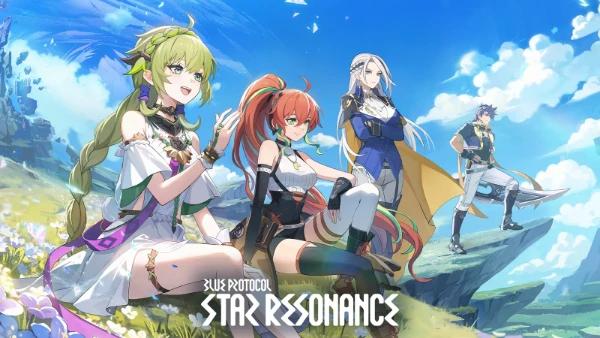
Blue Protocol: Star Resonance brings an anime-inspired MMORPG to iPhone and iPad, combining real-time combat, character development, cooperative dungeons and a colourful fantasy world called Regnus. Available through the App Store, the free-to-play game lets players create their own adventurer, choose a combat class and join others in activities ranging from challenging boss encounters to fishing and crafting. Its progression system follows familiar MMORPG principles, with equipment upgrades, class specialisations and seasonal content providing long-term goals. By October 2026, the game has reached its fourth season, Lightchase Oath, introducing further dungeons and progression features. Understanding how its classes, group activities and open-world systems work makes it easier to decide where to spend time and resources.
Character Classes and Combat Roles in Blue Protocol: Star Resonance
Character classes determine how players approach combat, which weapons they use and what responsibilities they take during group encounters. Blue Protocol: Star Resonance follows the traditional MMORPG division between damage dealers, tanks and healers. Damage dealers concentrate on defeating enemies, tanks protect their companions by controlling enemy attention, and healers restore health while helping the group survive dangerous attacks. The game originally launched with eight classes, each offering two specialisations that change its abilities and combat approach. Subsequent seasonal updates expanded the selection, including the arrival of Twin Striker in May 2026. This gives players several ways to approach battles without requiring every character to follow the same fighting style.
Players who prefer dealing damage can choose between different melee and ranged classes. Stormblade uses swift sword attacks and combinations that reward accurate timing, while Wind Knight relies on lance techniques and movement-based combat. Marksman attacks from a distance with a bow, making positioning particularly important when avoiding enemy abilities. Frost Mage specialises in ice magic, combining ranged damage with abilities that influence enemy movement. Twin Striker, introduced during the Echoes of Ember season, uses two axes and rapid close-range attacks, including techniques suited to damaging several enemies. Each offensive class has its own rhythm, so selecting one involves more than comparing damage figures. A character that feels comfortable to control can be more effective than an unfamiliar class with theoretically stronger abilities.
Defensive and supporting classes have equally important responsibilities. Shield Knight combines sword-and-shield combat with protective abilities, making it suitable for players who enjoy leading encounters and keeping enemies occupied. Heavy Guardian provides another frontline option, using powerful attacks alongside defensive techniques. Verdant Oracle focuses on healing through nature-based abilities, while Soul Musician combines musical skills with healing and assistance for teammates. These roles become especially valuable in dungeons where several mechanics happen simultaneously. A tank who positions enemies correctly, a healer who anticipates incoming damage and attackers who avoid unnecessary risks can make difficult encounters considerably easier. Group performance depends on coordination rather than individual damage alone.
Choosing a Class and Developing an Effective Combat Style
The most useful starting point when choosing a class is deciding how actively to participate in close-range combat. Players who enjoy constant movement and quick combinations may prefer Stormblade or Twin Striker, whereas Marksman and Frost Mage offer alternatives for fighting at a distance. Shield Knight and Heavy Guardian demand greater awareness of enemy behaviour because their decisions affect the safety of the entire party. Verdant Oracle and Soul Musician are suited to those who prefer watching teammates’ health and responding to changing situations. None of these roles automatically guarantees an easier experience. Ranged characters must still avoid attacks, while defensive classes need to understand enemy patterns and manage their protective abilities carefully.
Specialisations provide another layer of character development. Each of the original eight classes has two distinct combat specialisations, allowing players to adjust how their chosen profession performs. These differences may affect the order in which abilities are used, the way resources are managed or the balance between offensive and defensive functions. Class talents, equipment bonuses and Battle Imagines further influence a character’s effectiveness. Battle Imagines are additional combat elements that can support different builds, making them relevant when preparing for demanding encounters. Beginners should concentrate on learning a manageable sequence of abilities before attempting complicated combinations. Developing one reliable character is generally more practical than dividing early progression resources between several unfinished builds.
Class selection also affects the experience of playing on a touchscreen. Characters with frequent movement requirements, precise positioning or complicated ability sequences may need more practice on an iPhone than those using a simpler rotation. Adjusting control settings and becoming familiar with the combat interface can help prevent missed attacks during difficult encounters. The best place to practise is during ordinary quests and less demanding activities, where mistakes carry fewer consequences. Players should learn how to recognise enemy warning areas, move out of danger and activate defensive skills before entering harder dungeons. Group composition matters as well: combining dependable protection, sufficient healing and consistent damage usually produces a more stable party than selecting characters purely for offensive potential.
Dungeons, Boss Battles and Cooperative PvE Activities
Dungeons form one of the central progression systems in Blue Protocol: Star Resonance. These structured combat activities place players against groups of enemies and powerful bosses, rewarding successful runs with equipment and materials used to strengthen characters. Access is organised through the game’s dungeon systems, including the Unit X Research Facility, and players can use group-finding features to assemble a team. Certain activities also allow solo participation with computer-controlled companions, although this does not replace the cooperation required in more demanding multiplayer challenges. Difficulty levels and recommended character strength help distinguish introductory content from advanced encounters. Harder modes generally require better preparation, stronger equipment and a clearer understanding of boss mechanics.
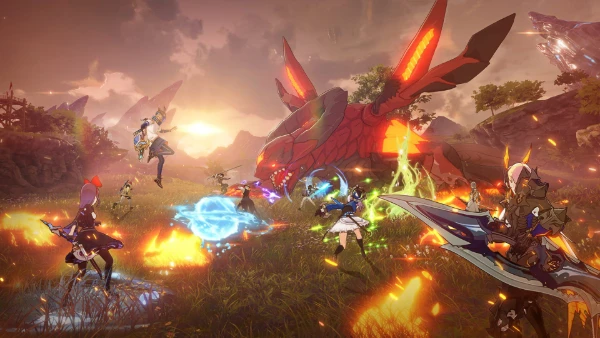
Unlike ordinary fights against monsters in the open world, dungeon encounters often demand specific reactions from every participant. Bosses may mark dangerous areas, prepare attacks that must be avoided or force players to change their position during combat. Tanks need to manage enemy attention and prevent unnecessary attacks on vulnerable teammates, while healers must decide when to restore health and when to preserve important abilities. Damage dealers contribute by maintaining steady attacks without ignoring defensive mechanics. Learning the encounter is often more important than simply increasing character strength. Watching attack animations, understanding when a boss becomes vulnerable and avoiding repeated mistakes can improve the group’s chances of success even before further equipment upgrades become available.
The dungeon selection expanded considerably throughout 2026. The Echoes of Ember season, introduced on 28 May, added six dungeons and three new maps. Season 4, Lightchase Oath, began on 8 October and introduced another sequence of encounters, including Mirror Judgment, Barren Courtyard and Cavern Zero. Other additions involved locations such as Dragon Claw Valley, Moonveil Wilds and Dark Mist Fortress through the Illusion-Shroud activities. The fourth season also introduced opportunities to obtain equipment and weapons above level 320 through updated dungeon content. These changes demonstrate why older dungeon guides may no longer reflect the current progression route. Players returning after several months should check the active season, available activities and equipment requirements before deciding which encounters to prioritise.
Raids, Dungeon Difficulty and Equipment Progression
Raids extend cooperative combat beyond standard dungeon groups by introducing larger encounters that demand more extensive coordination. Blue Protocol: Star Resonance includes 20-player raid content, where participants must respond to powerful bosses while maintaining their assigned combat roles. Earlier seasons featured the Dragon Shackles encounters, while later updates introduced additional raid challenges and seasonal changes. Large-group battles place greater importance on positioning because one poorly handled mechanic can affect several participants at once. Communication becomes particularly useful when an encounter involves simultaneous objectives or transitions between different phases. Players preparing for their first raid should understand their class responsibilities, bring suitable equipment and become familiar with the boss’s main attacks before attempting the most demanding difficulties.
Season 4 introduced several changes intended to make dungeon and raid progression less repetitive. The Lightchase Oath update removed Normal difficulty from the Chaotic Realm dungeon system and adjusted the balance of higher-level encounters. It also introduced a seasonal Vow mechanic: players select an altar before certain challenges, gain Vow Energy during combat and activate effects that influence how the group fights. Different Vows can complement each other, encouraging parties to think about their combined abilities rather than choosing identical bonuses. The update also revised older raid content, making selected previous-season encounters accessible through a simplified Backtrack difficulty. These adjustments allow returning players to revisit earlier challenges while concentrating their main progression efforts on current content.
Equipment progression is closely connected to regular dungeon participation, but earning stronger items is only one part of preparing a character. Players also need to consider whether equipment bonuses complement their chosen class and specialisation. An upgrade that improves a useful combat attribute may offer greater practical value than an item selected without considering the character’s abilities. Seasonal systems add further decisions, including which progression materials to collect and how to distribute available resources. It is sensible to complete accessible activities consistently before attempting the highest difficulties. Players should also pay attention to weekly reward restrictions, since repeating an encounter does not always provide the same valuable rewards. A balanced routine of equipment improvements, class development and increasingly difficult encounters provides a more reliable route towards advanced PvE content.
Open-World Exploration and MMO Features on iPhone
Outside dungeons, Blue Protocol: Star Resonance offers a shared fantasy environment where exploration, quests and interaction with other players form a substantial part of the experience. Regnus contains settlements, natural landscapes and combat areas that can be explored while progressing through the story. The world of Magna includes locations such as Asteria Plains, where players encounter ordinary monsters and participate in larger outdoor activities. Travelling between objectives provides opportunities to gather resources, locate additional tasks and participate in events. Exploration is not limited to following the main storyline: players can spend time developing non-combat activities or simply travelling through different areas. This freedom gives the game a different pace from MMORPGs focused almost entirely on dungeon queues and repeated boss battles.
Open-world combat includes encounters with stronger monsters that can attract several players to the same location. The Monster Hunt system helps participants find designated elite enemies and bosses, providing rewards through objectives that follow daily or weekly schedules. These encounters create opportunities for cooperation without requiring every participant to form a permanent party. The world also contains resources used in life skills, including materials gathered from the environment. Fishing, crafting and other peaceful activities provide alternatives when players want a break from demanding combat. Rather than treating every session as a race towards higher equipment levels, players can alternate between exploration, resource collection and group activities. This variety is particularly useful on mobile devices, where playing sessions may be shorter than those on a desktop computer.
Social interaction is another defining part of the MMO experience. Players can join guilds, communicate with companions, organise dungeon groups and take part in shared activities. Towns act as gathering areas where customised characters, outfits and mounts contribute to the game’s social atmosphere. Character appearance can be changed through customisation options, while collectible cosmetics provide additional personalisation choices. The Homestead system adds another activity outside conventional combat, giving players a personal space to develop. Seasonal updates also introduce social features: the Echoes of Ember season added a Musician system, available from level 10, with instruments including guitar, keyboard, bass and drums. Such activities make the game more than a sequence of battles and help establish a continuing community around its shared world.
Mobile Controls, Seasonal Content and Free-to-Play Features
The App Store version of Blue Protocol: Star Resonance supports iPhone and iPad, with iOS 15.0 or later listed as the minimum operating system requirement. The game is free to download, although optional in-app purchases are available. Its App Store listing indicates a download size of approximately 3.5 GB, so players should allow additional storage space for installation, updates and game data. English is among the supported languages, alongside French, German, Portuguese, Simplified Chinese and Spanish. Actual performance depends on the device, graphics settings and the complexity of the current scene. Large gatherings and visually demanding boss encounters may place more pressure on a phone than ordinary exploration. A stable internet connection is also important because combat and shared-world activities depend on online communication with the game servers.
Mobile play benefits from a few practical adjustments. Lowering graphical settings can help maintain smoother performance when an iPhone struggles during crowded encounters, while reducing unnecessary background activity may improve consistency. Players should also consider battery consumption during longer sessions, particularly when using demanding visual settings. Touchscreen combat requires sufficient space to view enemy warning indicators and activate important abilities without confusion. Becoming familiar with the interface during basic quests makes later group encounters easier to manage. Short sessions can be used for gathering, routine objectives and character maintenance, whereas raids and difficult dungeons are better attempted when there is enough uninterrupted time to complete them. This distinction helps make a large MMORPG manageable alongside everyday mobile gaming habits.
Blue Protocol: Star Resonance uses a free-to-play model supported by optional purchases, including Rose Orb packs, monthly cards, seasonal passes and cosmetic items. The App Store also identifies loot boxes among its features, making it important to understand the conditions of randomised rewards before spending money. Free players can participate in the core adventure and work towards stronger equipment through regular gameplay, although progress depends on time investment, available rewards and seasonal systems. The Lightchase Oath season illustrates how frequently these systems can change, introducing revised class progression, new dungeon rewards and additional activities in October 2026. For players seeking an anime-style MMORPG on iPhone, the main attraction is the combination of distinct combat roles, cooperative challenges and a persistent social world. Those who prefer longer-term character development and regular group activities will find more to do than players looking for a completely offline or self-contained mobile RPG.