The Division Resurgence Mobile Review: Is the Game Worth Playing in 2026?
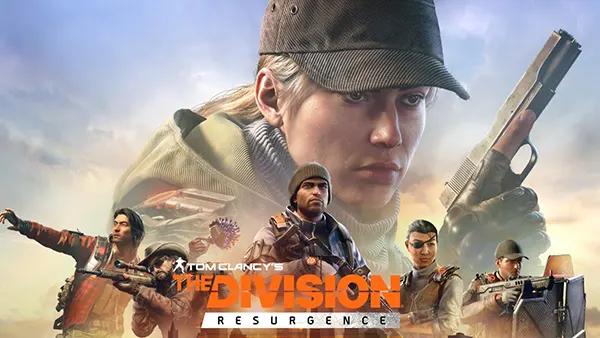
Tom Clancy’s The Division Resurgence arrived on mobile devices with ambitious goals: to deliver a large-scale online shooter experience that could rival console-quality gameplay while remaining accessible on smartphones and tablets. By 2026, the mobile gaming market has become highly competitive, with players expecting stable performance, advanced graphics, and long-term support from developers. Ubisoft positioned The Division Resurgence as a tactical action RPG with open-world exploration, co-operative combat, and progression systems inspired by the original Division titles. The important question now is whether the game still deserves attention several years after launch or if it has become another repetitive live-service project struggling to retain players.
Gameplay Mechanics and Combat Experience in 2026
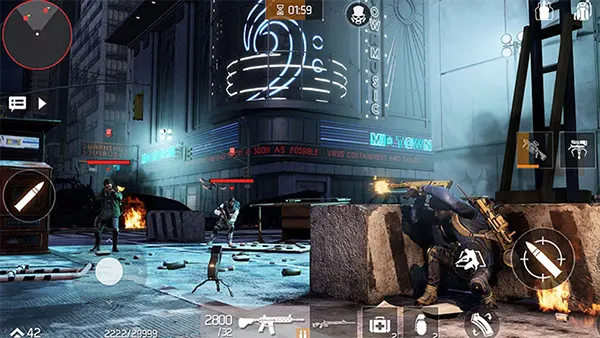
The core gameplay of The Division Resurgence remains focused on third-person tactical shooting combined with RPG-style progression. Players move through ruined urban locations, complete story missions, participate in PvE events, and collect increasingly powerful equipment. Ubisoft successfully transferred many familiar mechanics from the PC and console entries, including cover-based combat, skill gadgets, and team-oriented encounters. The mobile adaptation feels surprisingly complete compared to many simplified shooters available on app stores.
Combat remains one of the strongest parts of the game in 2026. Weapon handling is responsive, enemy AI behaves aggressively during higher-level missions, and the tactical cover system still creates situations where positioning matters. Automatic shooting assistance can be disabled for players who prefer a more manual experience, while touch controls are highly customisable. Bluetooth controller support has also improved significantly over the past updates, making gameplay smoother on tablets and premium smartphones.
However, the game still suffers from repetitive mission design after extended play sessions. While early progression introduces varied objectives and environments, endgame activities often recycle similar enemy factions and mission layouts. Seasonal events attempt to refresh gameplay with modifiers and limited-time rewards, but players searching for constantly evolving mechanics may eventually notice the lack of substantial innovation between major updates.
Character Progression and Loot Systems
Progression systems remain heavily inspired by looter-shooter design principles. Players increase gear scores, unlock new abilities, and customise their agents through equipment sets and weapon upgrades. Different builds encourage experimentation, especially during co-operative activities where support, tank, and damage-focused roles become important. This system adds long-term motivation for players who enjoy optimising statistics and collecting rare equipment.
The loot economy in 2026 feels more balanced than it did during the game’s earlier period. Ubisoft reduced some grind-heavy mechanics and improved drop rates for high-tier equipment. Players can now progress more naturally without feeling forced into excessive repetition. Crafting systems also received adjustments, allowing more meaningful use of collected resources rather than relying purely on random rewards.
Microtransactions still exist, though they are less aggressive than in many competing mobile shooters. Cosmetic purchases dominate the in-game store, while progression-related items are no longer as intrusive as they were during the launch phase. Free-to-play users can remain competitive in PvE content without significant spending, although dedicated players willing to invest money may still progress faster during seasonal events.
Graphics, Performance, and Mobile Optimisation
One of the most discussed aspects of The Division Resurgence has always been its visual quality. Even in 2026, the game remains technically impressive for mobile hardware. Urban destruction, weather effects, lighting systems, and detailed environments create an atmosphere that resembles the console franchise. Modern flagship devices can run the game at stable frame rates with high graphical settings, particularly on newer Snapdragon and Apple silicon processors.
Performance optimisation has improved considerably through post-launch updates. During the early release period, many users reported overheating issues, battery drain, and unstable frame pacing. Ubisoft addressed several of these problems over time, introducing adaptive graphics settings and improved memory management. Mid-range devices now handle the game more effectively than they did during the initial launch window.
Despite these improvements, hardware demands remain relatively high. Older smartphones still struggle during large combat encounters or densely populated multiplayer zones. Long gaming sessions can also consume substantial battery life, especially when playing at maximum settings with high refresh rates enabled. Players using budget devices may need to lower visual quality significantly to achieve stable performance.
Audio Design and World Atmosphere
The sound design contributes heavily to the game’s identity. Weapon effects sound powerful, environmental audio creates tension during exploration, and the soundtrack maintains the bleak tone associated with The Division universe. Ubisoft’s audio team successfully preserved the atmosphere that fans of the franchise expect from the series.
Voice acting quality remains solid across story missions and side activities. Dialogue delivery feels professional, while radio transmissions and mission briefings help maintain immersion during solo gameplay. Although the narrative itself is not particularly groundbreaking, the presentation quality helps keep players engaged throughout the campaign.
The environmental design deserves recognition as well. Abandoned streets, damaged infrastructure, and dynamic weather effects create a convincing post-crisis setting. The mobile version may feature smaller maps compared to console editions, but the locations still feel detailed and visually coherent. This attention to atmosphere helps separate The Division Resurgence from more generic military shooters on mobile devices.
Multiplayer Features, Longevity, and Overall Value
Multiplayer content remains central to the long-term appeal of The Division Resurgence. Co-operative missions continue to be the most enjoyable aspect of the experience, particularly when coordinated with friends or clan members. Team-based combat encourages communication and build synergy, giving endgame activities more depth than standard solo missions.
PvP content has received mixed reactions from the community throughout 2025 and 2026. The Dark Zone-inspired systems introduce tension through extraction mechanics and player confrontations, but balancing problems occasionally affect competitive fairness. Some players criticise the matchmaking system, particularly during seasonal ranking periods where experienced users can dominate less advanced participants.
Ubisoft has maintained regular support through patches, seasonal content, and live-service updates. While the player base is smaller than during launch, the game still maintains active servers and regular community events in 2026. This continued support increases the title’s value for players searching for a long-term mobile shooter rather than a short-lived release abandoned after its first year.
Is The Division Resurgence Worth Playing in 2026?
The answer depends largely on what players expect from a mobile shooter. Those searching for deep tactical combat, console-inspired graphics, and long-term character progression will likely find substantial value in The Division Resurgence. The game remains one of the more technically ambitious online shooters available on mobile devices, especially for players who enjoy co-operative gameplay and loot-based progression systems.
At the same time, the experience is not without weaknesses. Repetitive endgame content, demanding hardware requirements, and occasional balancing concerns continue to affect the overall experience. Players who prefer short casual sessions may find the game too time-consuming, while others may eventually lose interest in the repetitive live-service structure common within modern online games.
In 2026, The Division Resurgence remains a competent and content-rich mobile shooter that succeeds in delivering many elements associated with the original franchise. It may not redefine mobile gaming, but it offers a polished tactical experience with strong visuals, enjoyable combat, and ongoing developer support. For fans of online action RPG shooters, it is still a game worth considering.