Warframe Mobile — Can a Complex Looter Shooter Finally Feel Native on Smartphones?
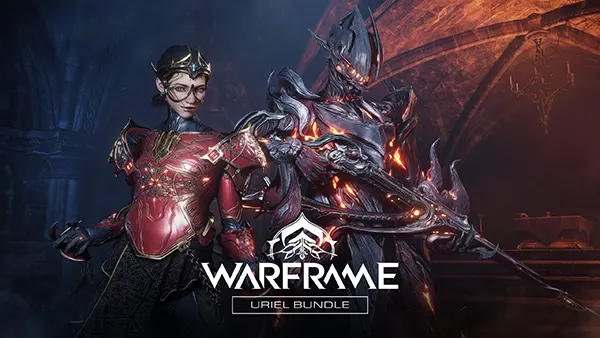
The arrival of Warframe on mobile devices raises a practical question rather than a purely technical one: can a fast-paced, system-heavy looter shooter truly adapt to touchscreens without losing its identity? With years of evolution on PC and consoles, Warframe has built a reputation for deep mechanics, rapid movement, and layered progression systems. Translating that experience into a mobile format requires more than visual optimisation — it demands a rethinking of controls, performance scaling, and session design. As of 2026, early implementations suggest that this transition is no longer experimental, but the real test lies in whether the game feels natural in everyday mobile use.
Technical Adaptation: Performance, Controls, and Interface Design
Modern smartphones are now capable of running graphically demanding titles, and Warframe Mobile benefits directly from this hardware progress. Devices equipped with high-end chipsets such as Apple’s A-series or Snapdragon flagship processors can handle complex lighting, particle effects, and large environments. However, the developers have had to implement scalable performance profiles, ensuring that mid-range devices maintain stable frame rates without overheating or draining battery excessively.
Control schemes remain one of the most challenging aspects. Warframe’s original design relies on precise aiming, quick parkour movement, and multiple ability triggers. On mobile, this is addressed through customisable touch layouts, gesture-based actions, and optional controller support. Players can adjust button placement, sensitivity, and assist features, allowing a degree of personalisation that helps mitigate the limitations of touch input.
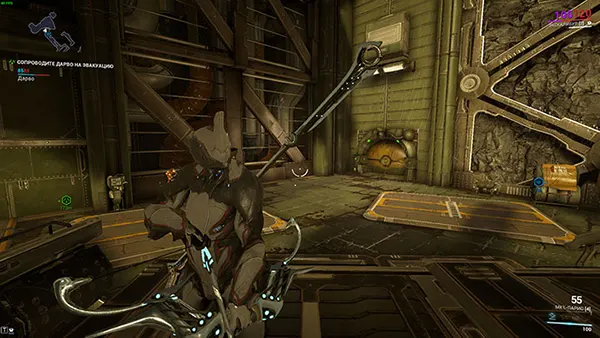
The user interface has also undergone a significant transformation. Menus that were originally designed for large screens have been simplified, with clearer navigation paths and larger interactive elements. Inventory management, mod configuration, and mission selection are now structured to reduce friction, making it possible to perform complex tasks without overwhelming the player during short play sessions.
Balancing Depth and Accessibility in Mobile Gameplay
One of the defining traits of Warframe is its depth — from weapon builds to mod systems and resource farming. On mobile, maintaining this depth while ensuring accessibility is a delicate balance. Developers have streamlined certain interactions without removing core mechanics, allowing experienced players to retain control while newcomers can gradually learn the systems.
Session design plays an important role here. Mobile users often engage in shorter play sessions, so missions need to feel meaningful even when completed quickly. Warframe Mobile adapts by offering flexible mission lengths and faster loading transitions, reducing downtime and making progress feel consistent even in limited time frames.
Importantly, cross-progression ensures continuity between platforms. Players can switch between PC, console, and mobile without losing progress, which reinforces the idea that the mobile version is not a simplified spin-off but part of the same ecosystem. This approach supports long-term engagement rather than treating mobile as a secondary experience.
Gameplay Experience: Movement, Combat, and Responsiveness
Warframe’s identity is closely tied to its fluid movement system, including wall-running, sliding, and rapid directional changes. Replicating this on a touchscreen requires careful tuning of input responsiveness. Early versions of the mobile build demonstrate that gesture-based controls and auto-aim assistance can preserve much of the original pacing, though experienced players may still prefer external controllers for precision.
Combat remains fast and visually intense, with multiple enemies, effects, and abilities active simultaneously. The challenge lies in maintaining clarity on smaller screens. Developers have adjusted visual density, UI transparency, and targeting indicators to ensure that players can track threats without visual overload.
Latency and connectivity also influence the experience. As an online-focused game, Warframe depends on stable network performance. Mobile optimisation includes adaptive networking systems that reduce lag spikes and maintain smoother co-op sessions, even on less stable connections. This is particularly important for regions where mobile networks vary in quality.
How Mobile Constraints Shape Player Behaviour
The shift to mobile inevitably changes how players interact with the game. Shorter sessions encourage more focused objectives, such as completing a single mission or managing inventory between activities. This contrasts with longer, uninterrupted sessions typical on PC or console.
Touch-based input also influences playstyle. Players may rely more on auto-targeting features or prioritise weapons and builds that require less precision aiming. This does not reduce complexity but rather shifts optimisation strategies towards comfort and efficiency on smaller devices.
Another noticeable change is the increased importance of convenience features. Quick access menus, simplified matchmaking, and streamlined resource tracking become essential for maintaining engagement. These adjustments reflect broader trends in mobile game design, where usability directly impacts retention.
Market Context: Positioning Warframe Among Mobile Titles
The mobile gaming landscape in 2026 is highly competitive, particularly in the shooter and action RPG segments. Titles such as Call of Duty Mobile and Genshin Impact have already set expectations for performance and content scale. Warframe enters this space with a different advantage — a long-established content base and a dedicated player community.
Unlike many mobile-first titles, Warframe was not originally designed for smartphones. This presents both a challenge and an opportunity. While adaptation requires significant redesign, it also allows the game to offer a level of depth that many mobile games still lack. This can attract players seeking more complex systems without transitioning to traditional gaming platforms.
Monetisation also plays a role in positioning. Warframe’s free-to-play model, based on optional purchases rather than aggressive restrictions, aligns well with current expectations for fair progression systems. Maintaining this balance on mobile is essential to preserving player trust and long-term engagement.
Long-Term Outlook for Warframe Mobile
The success of Warframe Mobile depends on continuous updates and optimisation. As hardware evolves and mobile networks improve, the potential for delivering a near-identical experience to PC and console increases. However, this requires ongoing support, including performance tuning and content synchronisation.
Player feedback will shape future iterations. Early adopters highlight both strengths and limitations, particularly in control precision and battery consumption. Addressing these concerns is critical for maintaining momentum and expanding the player base beyond existing fans.
Ultimately, Warframe Mobile represents a broader shift in the industry — complex, system-driven games are no longer confined to traditional platforms. While challenges remain, the progress made by 2026 suggests that a native-feeling looter shooter on smartphones is no longer a theoretical goal, but a realistic standard in development.