
Girls’ Frontline 2: Exilium — Early Mission Tactics and Squad Building
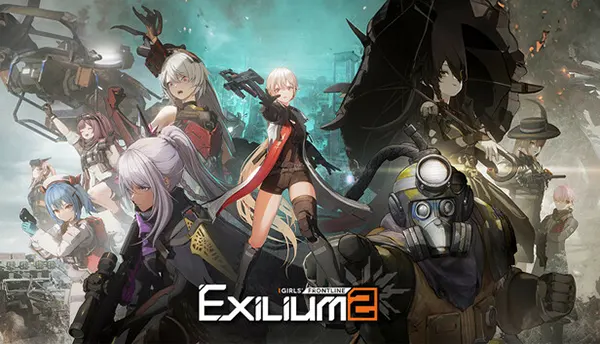
Girls’ Frontline 2: Exilium expands the tactical formula of the original series by introducing fully three-dimensional battlefields, destructible cover and deeper squad coordination. The first missions serve as a training ground where players learn positioning, action point management and enemy behaviour. Although the early chapters are designed to be accessible, they quietly establish the tactical habits that determine success in later operations. Players who understand how to combine movement, cover and squad synergy from the beginning will progress through the campaign faster and with fewer losses.
Understanding the Combat System in Early Missions
The combat system in Girls’ Frontline 2: Exilium is built around turn-based tactical movement. Each unit has a limited number of action points that determine how far it can move and whether it can attack or activate abilities during the same turn. Early missions usually feature small enemy groups and simple terrain layouts so players can practise the basic rhythm of moving, taking cover and firing without being overwhelmed.
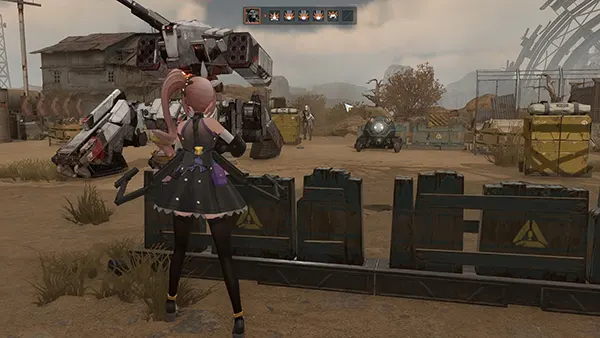
Cover mechanics are central to survival. Solid objects such as walls, vehicles or large barriers dramatically reduce incoming damage, while lighter objects provide only partial protection. Units positioned in open spaces become easy targets, especially when multiple enemies focus their fire on a single character. Learning to move from cover to cover is therefore one of the first skills players must develop.
Enemy behaviour in the first chapters is intentionally predictable. Basic opponents tend to move directly toward the player’s squad or remain behind nearby cover while shooting. Observing these patterns allows players to plan their moves carefully, setting up flanking angles or overwatch traps before enemies approach.
Movement, Positioning and Action Economy
Efficient movement determines whether a squad maintains control of the battlefield. Because every step consumes action points, careless positioning may leave a character unable to attack during the same turn. Experienced players often plan movement routes in advance so that units reach strong defensive positions while still retaining enough points to shoot.
Positioning also influences enemy targeting behaviour. Artificial intelligence often prioritises exposed units or characters dealing the highest damage. By placing durable units closer to the enemy and keeping fragile characters protected behind cover, players can manage incoming pressure more effectively.
Another key concept is action economy. Some abilities cost additional points but can weaken enemies, increase accuracy or apply defensive bonuses. Using these abilities at the right moment can change the outcome of a battle, especially when the squad faces multiple enemies in narrow areas of the map.
Choosing the Right Squad for the Opening Chapters
During the first stages of the campaign, building a balanced squad is more important than assembling a team focused purely on damage. Early missions introduce different enemy types and battlefield situations, so versatility helps players adapt to unexpected threats. A well-rounded team typically includes a durable frontline unit, a flexible damage dealer and at least one character with supportive abilities.
Rifle-type characters are often the backbone of early squads. They combine respectable damage with moderate mobility, making them effective for flanking manoeuvres or maintaining steady pressure on enemy units behind cover. Pairing them with heavier characters capable of absorbing damage improves the squad’s overall stability.
Support characters should not be overlooked during the early campaign. Even simple abilities that increase accuracy, restore small amounts of health or improve defence can extend the squad’s endurance during longer engagements. These effects become especially valuable when missions involve multiple waves of enemies.
Roles and Synergy Within a Squad
Each class in Girls’ Frontline 2: Exilium fulfils a particular battlefield role. Sniper units specialise in long-range precision damage, often eliminating priority targets before they approach the main squad. Assault-style characters operate in mid-range engagements, maintaining consistent pressure on enemy units.
Shotgun or heavy units often function as the frontline of the team. Their higher durability allows them to absorb enemy fire while other characters reposition or prepare abilities. Keeping these units in forward positions ensures that fragile teammates remain protected during intense firefights.
Synergy between these roles defines the effectiveness of a squad. A sniper removing dangerous targets while a shotgun unit holds the frontline creates space for assault characters to manoeuvre and attack. Even early missions become significantly easier when each character performs a clearly defined role within the team.
Tactical Approach to the First Campaign Operations
The opening operations are designed to introduce players gradually to the strategic possibilities of the battlefield. Many maps contain multiple routes, elevated areas or destructible objects that influence combat. Players who take a moment to observe the environment before moving their squad can often find advantageous positions.
One useful habit is clearing nearby enemies before advancing toward mission objectives. Rushing forward may trigger additional enemy groups or expose the squad to crossfire from different directions. Moving carefully and eliminating threats step by step ensures that the squad maintains control over the encounter.
Maintaining cohesion between squad members is equally important. Units positioned too far apart cannot support each other with covering fire or abilities. Keeping the team within supporting distance allows players to react quickly when enemies attempt aggressive pushes.
Common Mistakes During Early Missions
One common mistake is ignoring defensive positions in favour of direct attacks. While aggressive play may work against weaker enemies, later missions quickly punish characters left in open terrain. Using available cover consistently reduces damage taken across the entire squad.
Another issue involves underestimating the value of abilities. Many early characters possess skills that improve accuracy, increase survivability or weaken enemies. Players who rely only on standard attacks often miss opportunities to control the flow of battle.
Finally, some players delay upgrading their core squad members. Even modest improvements to weapons and equipment increase damage output and survivability. Investing resources in a stable early team allows smoother progress through the campaign and prepares players for the more complex missions that appear later in Girls’ Frontline 2: Exilium.