VALORANT Mobile — What We Know in 2026: Gameplay, Agents, and Release Timing
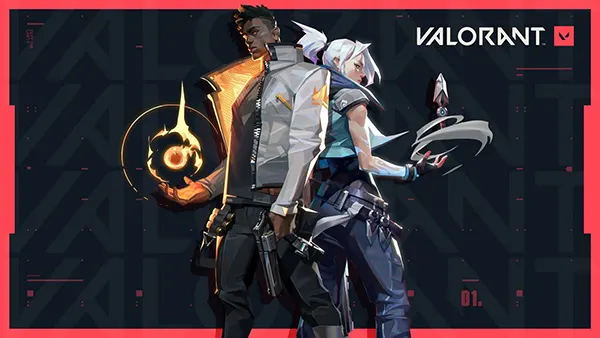
VALORANT Mobile has moved far beyond “just a rumour” status. By 2026, we have official confirmations about how the mobile version is being developed, where it has already been tested, and what kind of experience Riot Games is aiming to deliver on smartphones. The key point is that this is not a simplified spin-off — the plan is to bring the tactical 5v5 shooter identity to mobile while adapting controls, UI, and match flow to smaller screens.
Gameplay on Mobile: How Riot Is Translating Tactical Shooting
VALORANT’s core gameplay has always depended on precision: controlled recoil, disciplined peeking, ability timing, and team coordination. Riot has publicly stressed that the mobile version is being built to stay faithful to those fundamentals. That means the familiar round-based structure, clear economy decisions, and a heavy focus on crosshair placement should remain central rather than being replaced by fast, chaotic shooting.
What changes on mobile is the way those fundamentals are executed. The interface and control scheme are redesigned for phones and tablets so that movement, aiming, and ability use feel natural on a touch screen. This matters because VALORANT is a game of small margins: a delayed input or an unclear UI element can directly impact fairness, consistency, and competitive quality.
Another practical point is pacing. Mobile sessions are often shorter than PC sessions, so the developers have been testing how quickly matches should flow without removing the strategy element. Early testing has been used to refine stability, performance, and usability so players can get into meaningful fights while still making decisions about economy, utility, and positioning.
Controls, Performance, and Competitive Fairness
Touch aiming is the single biggest technical and competitive challenge for a tactical shooter. Riot’s approach has focused on a purpose-built mobile UI rather than copying PC layouts. The goal is consistency: players must feel that accuracy depends on skill, not on unreliable controls or unclear on-screen feedback.
Performance is equally important. A mobile shooter can fail even with strong branding if it overheats devices, drains battery too quickly, or struggles on mid-range hardware. That is why early beta testing has focused on real-world stability: server load, frame rate consistency, and general responsiveness under normal player conditions.
Competitive fairness also includes protection against cheating and poor matchmaking. While Riot has not published full technical details of mobile anti-cheat in public, the company’s approach on PC demonstrates how strongly it values competitive integrity. For mobile, this typically means stable servers, reliable detection against common exploit patterns, and matchmaking that helps new players learn rather than instantly punishing them.
Agents on VALORANT Mobile: Who’s Playable and Why It Matters
Agents are the heart of VALORANT’s identity. Gunplay is only half the game; the other half is how abilities shape information, space control, and timing. Riot’s communication around the mobile project has made it clear that agents remain central to the experience rather than being reduced to cosmetic characters with minor differences.
Agent selection matters even more on mobile because the screen is smaller and reaction windows can be tighter. Abilities must remain readable and usable without overwhelming the player with clutter. That means the way ability icons, indicators, and placement tools work needs careful tuning to preserve tactical decision-making.
There is also the question of long-term parity with PC. It is realistic for the mobile version to start with a more controlled roster and expand over time. That approach reduces balancing pressure during the early rollout and allows the developers to adjust how each agent’s kit feels on touch controls while keeping the character’s role intact.
How Agent Abilities May Feel Different on Touch Screens
Even if agents remain identical “on paper,” their abilities can feel different on mobile. A flash or smoke that is easy to throw with mouse precision might need a redesigned placement interface to avoid accidental miscasts. Riot’s emphasis on a mobile-specific UI strongly suggests this is being handled through design rather than by simplifying agent kits.
Mobile gameplay also benefits from clarity and immediate feedback. To stay competitive, ability usage must be readable: strong visual cues, predictable trajectories, and reliable audio signals. VALORANT already depends heavily on information, so preserving that clarity is essential for tactical play.
Finally, agent roles help teamwork even when communication is limited. Many mobile players queue for shorter sessions and may not use voice chat. Clear role design, intuitive ability use, and readable utility can keep team coordination functional even in low-communication matches.
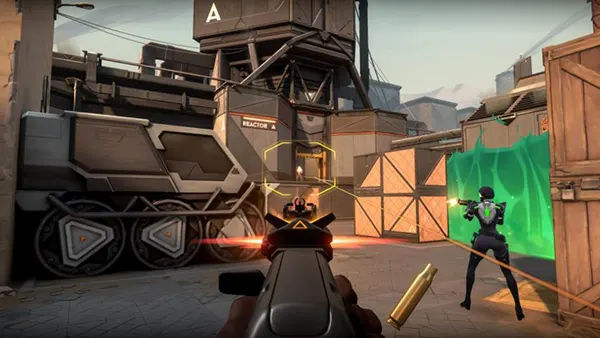
Release Timing and What “Launch” Means in 2026
As of 2026, the most concrete public milestone is that VALORANT Mobile began major closed testing in China in 2025. China has been treated as the first major rollout region, which is common for large mobile projects because it provides massive scale for performance testing and player feedback.
Several public reports linked the first broader availability in China to mid-to-late 2025 windows. However, it is important to separate regional release steps from a global launch. Riot has not publicly announced a single confirmed worldwide release date that applies to every region at the same time.
For 2026, the most realistic reading is a phased approach: continued expansion beyond China through staged betas and region-by-region rollouts. This is typical for competitive mobile shooters because it allows the developers to validate server infrastructure, controls, and matchmaking quality before opening access to a much wider audience.
How to Track Real Progress Without Falling for Hype
If you want to follow VALORANT Mobile responsibly, the best signals are official Riot communication tied to registration, regional announcements, and confirmed testing stages. Concrete milestones — such as beta dates, pre-registration steps, or public partner confirmations — matter far more than vague social media posts.
Another strong indicator is competitive structure. When a publisher starts supporting structured events, community tournaments, or consistent updates around competitive integrity, it usually signals long-term commitment. In 2026, the regions that receive the most attention are likely to be those where Riot can maintain stable performance and fair matchmaking from day one.
The final signal is stability across devices. A true global release requires the game to perform consistently on a wide range of hardware, not only high-end phones. If Riot delays wider availability, the most common reason is ensuring the mobile version feels like VALORANT — a fair tactical shooter — rather than a rushed adaptation riding on a familiar name.